“Excuse me, do you know where Royal Residence Society is?“
“Oh yes! Go straight, take the second left, then you’ll see a temple. Turn right from there… then you’ll reach a pharmacy. Take the third gully from there. You’ll find it.“
Thirty minutes later, after two more enquiries, you’re standing in front of a wedding hall wondering what exactly did you do in your previous life to deserve this.
The strangers weren’t trying to mislead you. In fact, they genuinely wanted to help. Their brains simply stitched together fragments of old memories, landmarks, assumptions, and a generous dose of false confidence into what felt like the right answer.
Sound familiar?
We laugh when AI confidently invents a book that doesn’t exist or attributes a quote to the wrong person. We call it an AI hallucination. But perhaps that’s because we’re watching a machine make a very human mistake.
Because the truth is, humans have been hallucinating long before AI.
And maybe that’s one of the things AI learned from us.
Our brains don’t retrieve memories like files from a hard drive. They’re more like storytellers. We remember pieces, patterns, emotions, conversations, and experiences. When information is missing, our minds often fill in the gaps with what seems most probable—or mix it up with a similar memory.
In machine learning terms, we’ve all spent years “training” on our own datasets: family stories, school lessons, social media, books, office gossip, news articles, and late-night YouTube binges. Those experiences become our own learned parameters.
So when someone asks us a question we don’t fully know, our internal model predicts the most likely answer.
Most of the time, it’s close enough. Sometimes, it’s spot on. And occasionally, when we’re hallucinating, it sends someone to a wedding hall instead of a residential society.
The difference is that humans usually hide uncertainty behind phrases like, “If I remember correctly…“
AI, on the other hand, can sometimes say it with the confidence of your grandfather telling war stories as if they happened yesterday—mixing fact and fiction with remarkable aplomb.
But there’s an important difference.
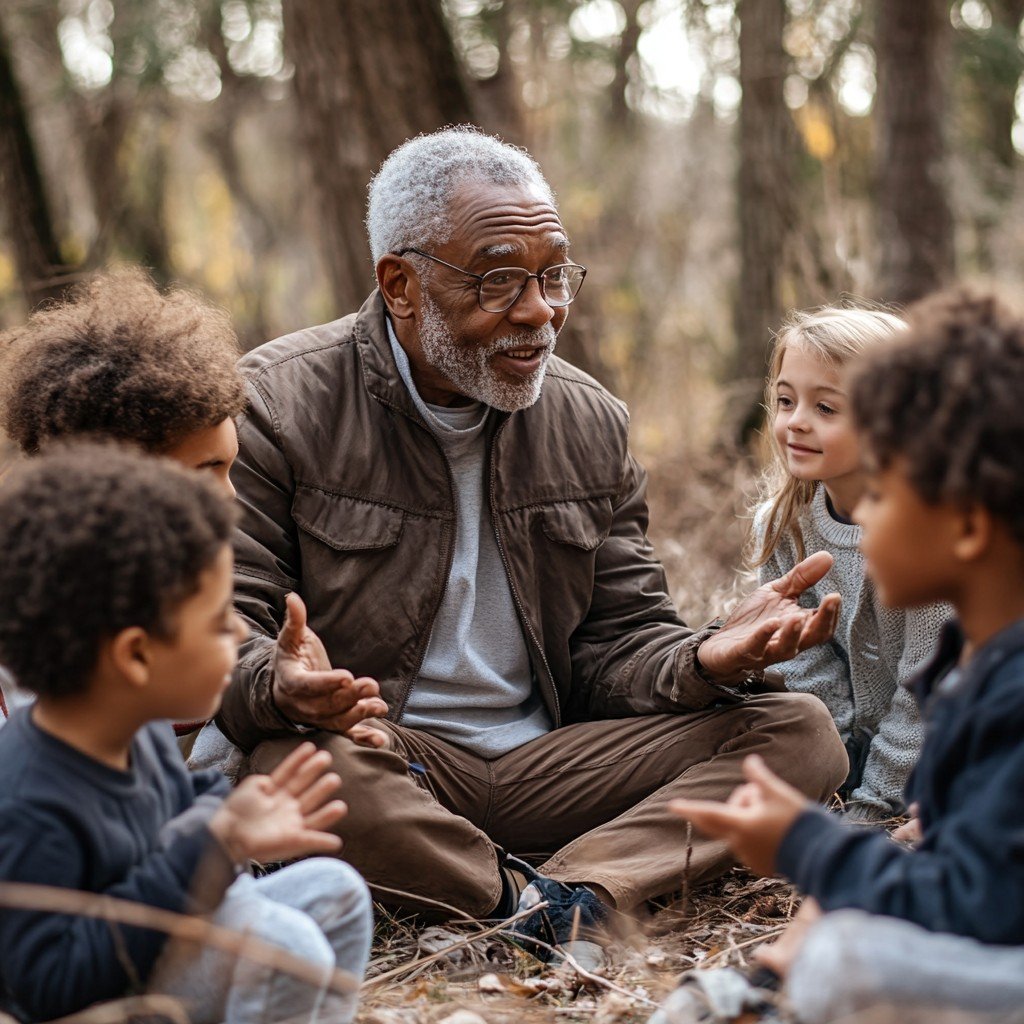
You grew up listening to your grandfather’s stories. You knew there was an element of entertainment in them. You didn’t base critical decisions on his stories. And years later, you might even remember those stories with a certain fondness.
That’s not necessarily the case with AI.
When AI hallucinates and presents fiction as fact, we may not know it’s fiction. We could make a financial decision based on it, get into an accident, lose money—or worse.
While we continue our efforts to make AI more reliable, responsible, and transparent, perhaps we humans should also become a little more comfortable saying:
“I’m not sure.“
Ironically, that might be one of the most intelligent responses either a human or an AI can give.